





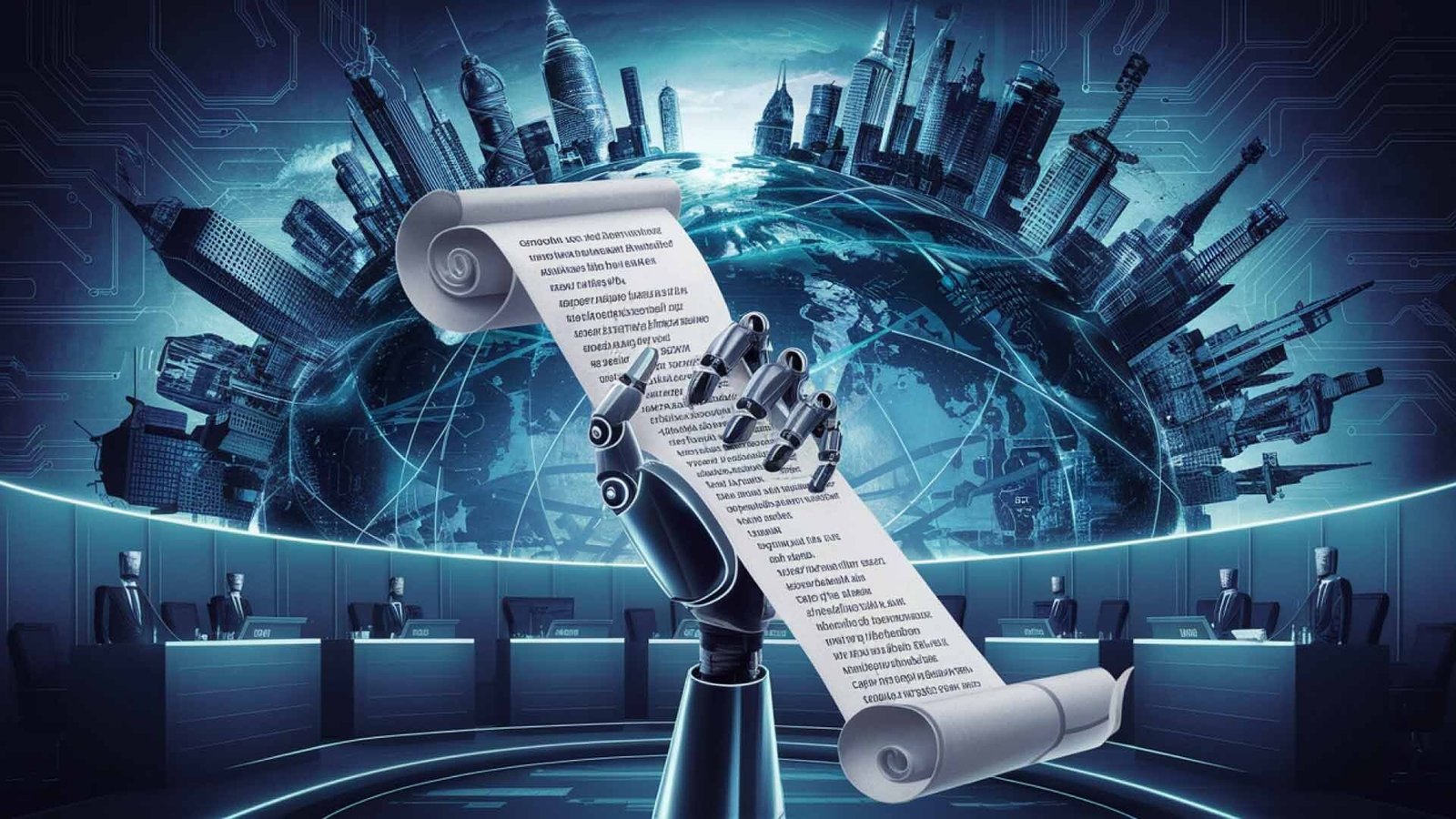
Governments around the world are increasing efforts to regulate artificial intelligence as concerns continue growing over cybersecurity threats, misinformation, privacy risks, and the rapid expansion of AI-powered technologies. International discussions regarding artificial intelligence governance have intensified throughout 2026 as world leaders, technology companies, researchers, and policymakers debate how to balance innovation with public safety.
Artificial intelligence has become one of the fastest-growing industries globally, influencing sectors including healthcare, finance, education, media, transportation, defense, and digital communication. While AI technologies are creating new opportunities for businesses and consumers, experts warn that the speed of development may outpace current laws and regulatory systems.
One of the biggest concerns surrounding artificial intelligence is the spread of misinformation and AI-generated content. Advanced AI systems are now capable of producing realistic text, images, videos, and voice simulations that can be difficult to distinguish from authentic human-created media. Governments and cybersecurity specialists worry that these technologies could be used to manipulate public opinion, spread false information, or interfere in political processes.
Cybersecurity threats linked to artificial intelligence are also becoming a major international issue. Security experts have warned that AI-powered hacking tools and automated cyberattacks could significantly increase digital risks for governments, businesses, and critical infrastructure. As a result, several countries are investing heavily in cybersecurity protection and AI monitoring systems.
Privacy protection remains another central topic in global AI regulation discussions. Many AI systems rely on large amounts of user data to improve accuracy and performance. Regulators are questioning how technology companies collect, store, and use personal information while ensuring users maintain control over their digital privacy.
Labor market disruption is also contributing to international concerns. Artificial intelligence is increasingly automating tasks previously performed by humans, especially in customer service, data processing, administration, content creation, and software development. While some experts believe AI will create entirely new industries and jobs, others fear rapid automation could affect millions of workers worldwide.
Several governments are now proposing laws focused on AI transparency, accountability, and ethical development. Proposed regulations include rules requiring companies to clearly label AI-generated content, strengthen user privacy protections, improve algorithm transparency, and prevent harmful AI applications.
Technology companies, however, have expressed concerns that overly strict regulations could slow innovation and reduce global competitiveness. Industry leaders argue that artificial intelligence has the potential to improve healthcare systems, increase productivity, enhance education, and solve complex scientific problems if developed responsibly.
International cooperation is becoming increasingly important as AI technologies operate across borders and global digital platforms. Experts say no single country can effectively regulate artificial intelligence alone because the technology impacts global communication, trade, security, and information systems. Discussions regarding international AI standards and collaborative oversight frameworks are continuing among world governments and technology organizations.
Meanwhile, competition between global technology companies continues accelerating. Major firms including OpenAI, Google, Microsoft, Anthropic, and Meta are rapidly developing more advanced AI models and digital tools. This competitive environment is driving innovation but also increasing pressure on regulators to establish clear legal frameworks.
Artificial intelligence is also transforming education and business sectors worldwide. Schools, universities, and corporations are adopting AI-powered systems for learning support, automation, customer service, research assistance, and operational management. Analysts believe AI integration will continue expanding across everyday life over the next decade.
Public opinion regarding artificial intelligence remains divided. Some people view AI as a revolutionary technology capable of improving efficiency, healthcare, scientific research, and communication. Others remain concerned about ethical risks, misinformation, job displacement, and the growing influence of large technology companies.
Experts predict global AI regulation discussions will continue intensifying throughout 2026 as governments attempt to create policies that encourage innovation while protecting public interests. The outcome of these international efforts could shape the future of technology, digital rights, business operations, and global communication for years to come.
As artificial intelligence continues evolving at a rapid pace, the world faces a critical challenge: ensuring technological progress remains safe, ethical, and beneficial for society while maintaining innovation and economic growth in the digital era.


