




The global real estate industry is experiencing major transformation in 2026 as smart home technology, sustainable construction, and changing lifestyle preferences continue reshaping property markets worldwide. Developers, investors, and homebuyers are increasingly focusing on modern living spaces that combine advanced technology, energy efficiency, and environmentally responsible design.
Experts say the growing demand for smart homes is one of the most significant trends currently influencing global real estate markets. Modern buyers are no longer searching only for larger spaces or luxury interiors. Instead, they are prioritizing properties equipped with advanced digital features such as automated lighting systems, smart security devices, voice-controlled appliances, energy management tools, and AI-powered home assistants.
Technology integration has become a major selling point for both residential and commercial properties. Smart homes offer convenience, improved energy efficiency, enhanced security, and remote access capabilities, making them highly attractive to modern consumers. Real estate developers worldwide are increasingly incorporating intelligent systems into new projects to meet changing market expectations.
Sustainability has also become a central focus within the real estate industry. Climate concerns and rising energy costs are encouraging governments, businesses, and consumers to support environmentally friendly building practices. As a result, developers are investing heavily in green construction technologies, renewable energy systems, and eco-friendly building materials.
Sustainable buildings are designed to reduce environmental impact while improving long-term operational efficiency. Features such as solar panels, energy-efficient lighting, smart temperature control systems, rainwater collection technologies, and eco-conscious architecture are becoming increasingly common in modern developments.
Industry analysts believe sustainable real estate could become one of the fastest-growing sectors in the global property market over the next decade. Governments in several countries are also introducing stricter environmental regulations and incentives aimed at encouraging green construction projects and reducing carbon emissions from buildings.
Luxury real estate markets continue attracting strong interest despite global economic uncertainty. High-net-worth individuals are increasingly investing in premium residential properties, private villas, and high-end apartments offering privacy, advanced amenities, and smart living features. Real estate experts say luxury buyers are focusing more on quality, technology, and long-term investment potential.
Commercial real estate is also adapting to changing workplace trends. The rise of remote work and hybrid business models has influenced office space demand worldwide. Many companies are redesigning offices to support flexible work arrangements, collaborative spaces, and technology-driven environments instead of traditional office layouts.
At the same time, urbanization continues driving housing demand in many countries. Growing populations and migration toward major cities are increasing pressure on housing markets, infrastructure development, and rental availability. Real estate developers are responding by expanding residential projects, mixed-use developments, and smart city initiatives.
Artificial intelligence is beginning to play a larger role within the real estate sector as well. AI-powered systems are being used for property valuation, market analysis, customer support, investment forecasting, and property management automation. Experts believe AI technology could significantly improve efficiency and decision-making across the industry.
The rise of digital real estate platforms has also transformed how people buy, sell, and rent properties. Online property marketplaces, virtual tours, drone footage, and digital documentation systems are simplifying real estate transactions and expanding global market accessibility for investors and buyers.
Investment trends within the property sector remain strong despite economic fluctuations. Real estate continues being viewed as a relatively stable long-term investment compared to more volatile financial markets. Investors are particularly interested in residential housing, logistics facilities, smart developments, and sustainable infrastructure projects.
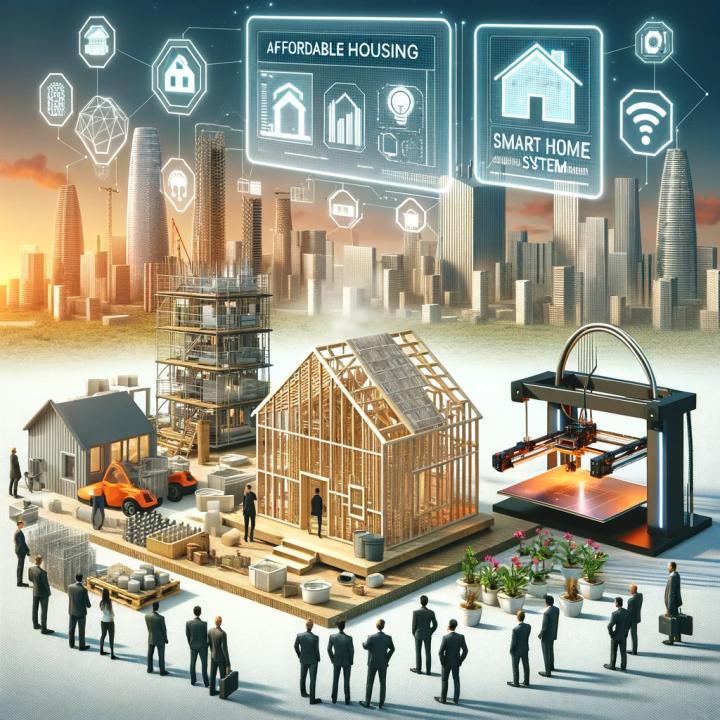
Meanwhile, affordability challenges continue affecting some housing markets worldwide. Rising construction costs, inflation, and increasing property prices are making homeownership more difficult for certain populations. Governments and developers are discussing strategies to improve housing accessibility and expand affordable housing initiatives.
Experts predict the future of global real estate will be heavily influenced by technology, sustainability, and evolving lifestyle preferences. Smart homes, green buildings, digital transactions, and flexible living environments are expected to become even more important as the industry adapts to modern consumer demands.
As real estate markets continue evolving worldwide, industry leaders believe innovation, environmental responsibility, and digital transformation will define the next generation of property development and global housing trends.


